
Neuroplasticity
About
- Brain Plasticity involves modifications in neural components organization occurring in CNS during the human life span. These changes are linked to phenomena of aging, adaptation to the environment & learning conditions.
- Anatomic or functional deficit or brain damage results in massive alteration of the complex neural network incapacitating the full functional potential of the individual.
- However, the magical potential of the cerebral cortex has since forever exhibited phenomena of brain plasticity in response to insult.
- This neurological insult to the brain networks stimulates the reorganization cascade & this rewiring is particularly responsive to self & environmental experiences post damage.
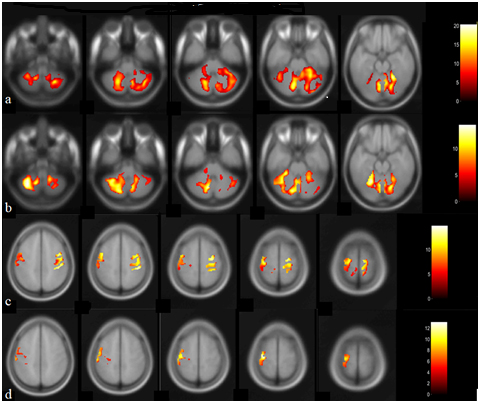
- Our aim is to explore the cortical activation changes through different technology solutions like Robotic-exoskeleton, hand gloves, AR-VR, NIBS in patients with stroke, traumatic brain injury, cerebral palsy and spinal cord injury, etc.
Brain-Stimulation

About
- Since two decades neuromodulation, rapidly emerging specialty has tremendously changed the treatment framework of neurological disorders.
- Among its various forms, Non-invasive neuromodulation is a booming potential tool in the field of neurorehabilitation.
- Transcranial direct current stimulation (TDCS) rewires the brain through somatosensory stimulation thereby, attenuating neural plasticity.
- NIBS - Non invasive brain stimulation will enhance recovery post-stroke in adjunct to assistive devices like a robotic exoskeleton, piezoelectric glove, AR-VR.
Home-Based Telerehabilitation
About
- Telemedicine is the exchange of medical information from between various locations using electronic communication to achieve clinical health care from a distance. These technologies allow communication between medical staff and patients, as well as the transmission of imaging and other health information data from one place to another.
- We have established Smartphone-based telestroke services for Himachal Pradesh which were the first of their kind. It was a much cheaper alternative to video-conferencing-based telestroke services and was more portable with fewer technical glitches.
Our Vision
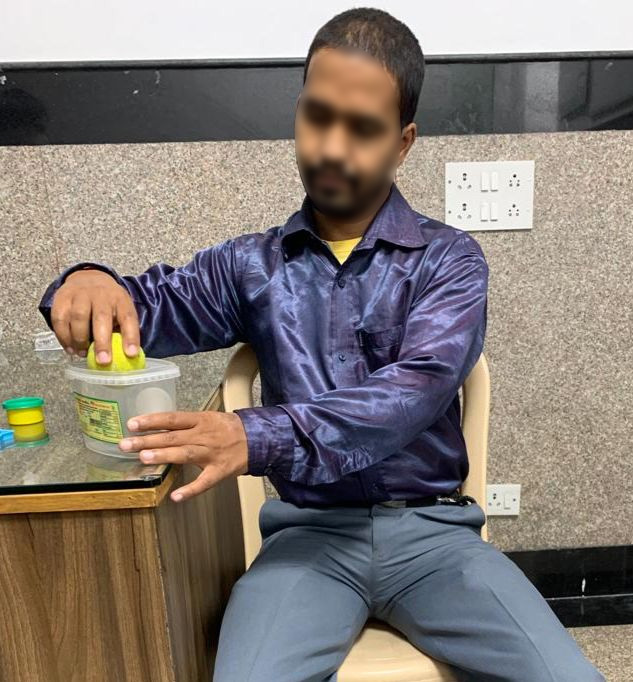
- Robotic exoskeleton & Hand glove will be optimized to be used in telemonitoring of therapeutic protocols involving hand exercises for upper limb in stroke patients.
- Tele-monitoring application will provide diagnostics as well as a means for providing sensory feedback for kinetic & kinematic parameters to monitor fine motor movements.
- Also, digital neuro rehabilitation regimes guidance will be designed for graded exercises with robotic exoskeleton & hand glove.
- To integrate Internet of Things (IOT) module for tele- neurorehabilitation monitoring in remote settings
Exoskeleton
About
- Stroke is a neurovascular insult to the brain that commonly presents as motor impairment, disrupting the functionality and activities of daily living (ADL), thereby making the independent participation of individual in daily life difficult.
- Robotic rehabilitation is an innovative solution with a potential to help provide exercise therapy in a repeatable and reproducible manner for stroke survivors. Although robotic training is a promising tool for rehabilitation, it is currently not widely used because of the associated high cost and lack of portability.
Our vision
- Developing an affordable, innovative, multi-disciplinary, user-centric intervention with an aspiration to provide access to rehabilitation services by encouraging trans-disciplinary research to develop a problem-based solution is the need of the hour.
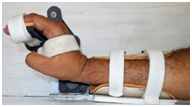
- We have developed an exoskeleton for rehabilitation for patients with upper-limb disability. It helps facilitate a specific pattern of coordinated movements of distal joints, wrist and fingers joint).It is a prototype device with the potential of being simple and easy to operate exoskeleton rehabilitation device for low-resource settings in the future.
- It is self-initiated enabling to use remaining motor functions, have active precise repetition time, performance feedback and objective assessment of the clinical improvement. It is engaging and encouraging for patients to achieve higher goals of movement. Flexible to be moved in several modes to support patients with different clinical presentation. It is lightweight, compact and portable, easy wearing on and off with unaffected hand independently, to be integrated with IoT modules in future.
Augmented and Virtual Reality:
About
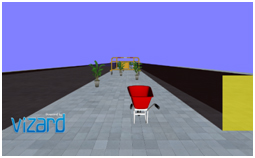
- Virtual experiences are computer generated simulation where the user can interact with artificial 3D environment and are meant to be more challenging and fun than traditional methods of recovery for patients with disability. The implementation of gaming elements and adequate feedback (visual, auditory or haptic) increases motivation, facilitating higher repetition numbers and adherence to exercise.
- It can be used in rehabilitation intervention to keep the patients engaged and encouraged with objective assessment of the patient’s performance.
Our Vision
- Virtual reality tasks for distal joints, wrists and individual fingers can focus on improving varying degrees of movement
Brain image and Signal processing
About
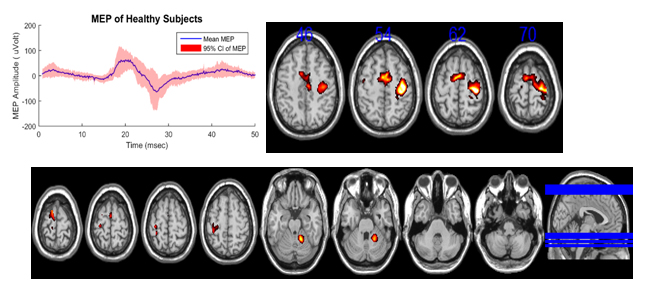
The brain and image signal processing has proved helpful in finding the neurological and pathological imprints which are different as compared to healthy. These differences can lead us to explore, automate, design novel interventions and devices for stroke rehabilitation.
Our vision
- To explore the brain signals obtained from brain stimulation for objective stroke pathological differences as compared to healthy for automating the diagnostic and prognostic process.
- To explore differences between healthy and patients with stroke and to evaluate the therapeutic impact of the novel interventions using 3 Tesla MRI images