
-

for hundreds of successful student here
Welcome To Centre for Biomedical Engineering
-
Aiims
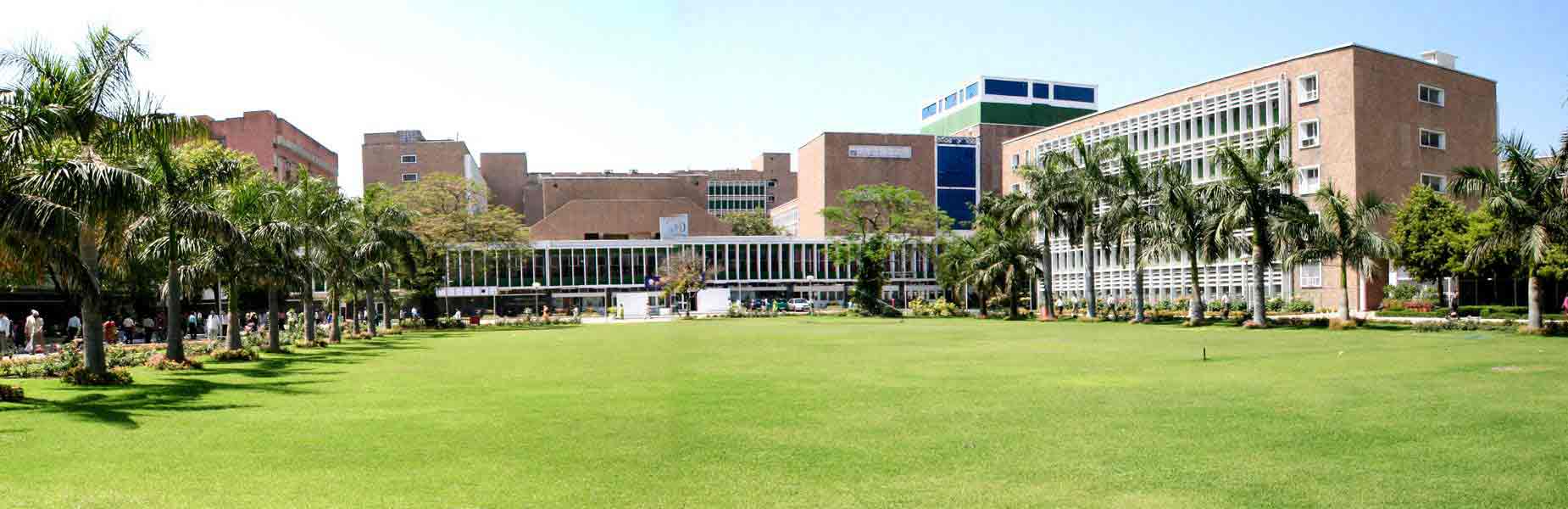
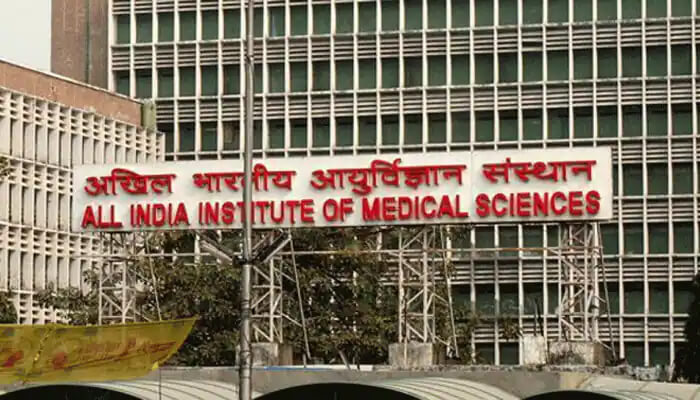
ALL INDIA INSTITUTE OF MEDICAL SCIENCES NEW DELHI
-
for hundreds of successful student here
Welcome To Centre for Biomedical Engineering
About us !

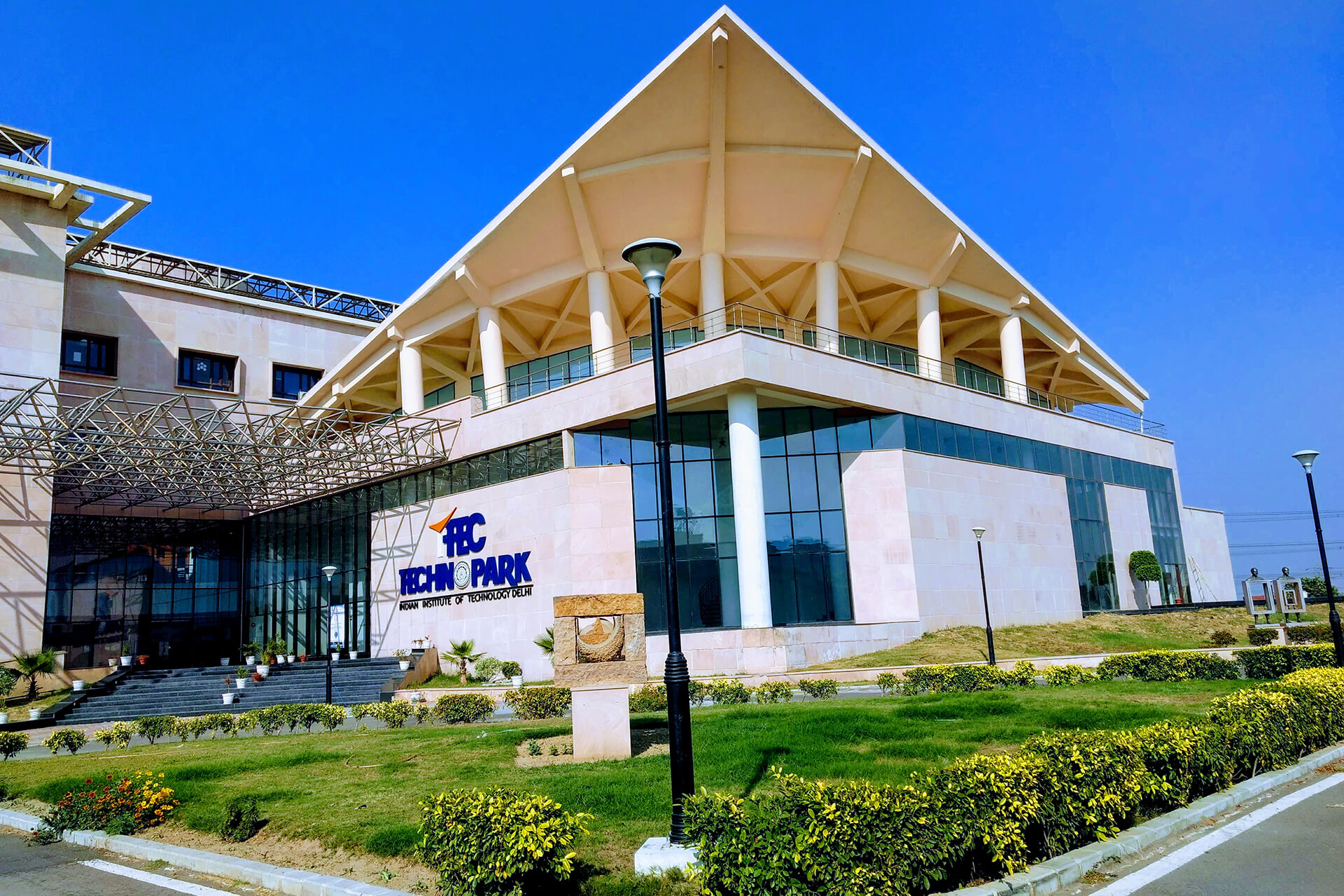
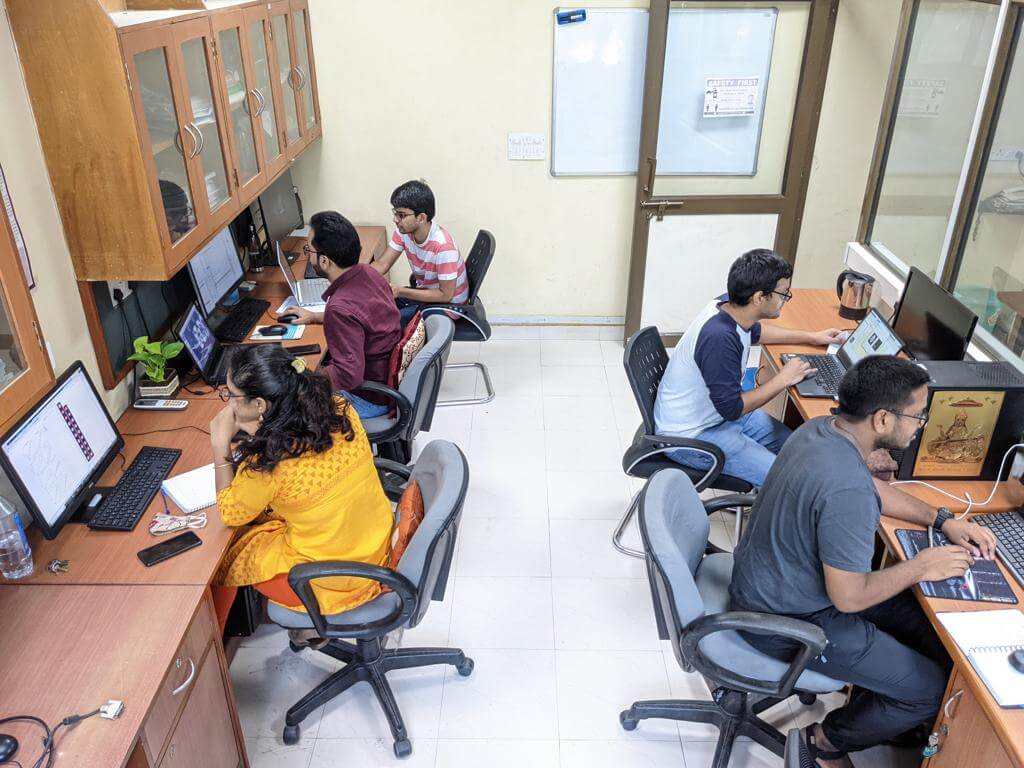
CARE–DAT which is the Centre of Excellence (CoE) as, i.e. “Centre for Advanced Research and Excellence in Disability and Assistive Technology (CARE-DAT)” is created under the aegis of the Centre for Advanced Research and Excellence-Indian Council of Medical Research (CARE-ICMR) scheme, at IIT-Delhi in collaboration of AIIMS, Delhi as a clinical partner to encourage comprehensive research on an identified research problem with the aim of generating new knowledge and improving the holistic understanding of a disease or a health condition. The focus of activities here is on one or multiple aspects like causation, progression, management, and prevention.
Prof. Amit Mehndiratta
Block-III, Room 298
Indian Institute of Technology, Delhi
Vision
To design novel technological solutions, therapeutic protocols & clinical validation for the solutions in Neuro-assistive technology and thereby providing commercial-ready technology & assisting IIT-Delhi to design the “Make in India” new, economical, safe & efficacious products and assistive technologies beneficial for the medical community.
Our Journey
In 2013, while reviewing the disability burden in the developing low & middle-income countries, the striking load of non-communicable diseases was identified by the research group in the Centre for Biomedical Engineering. Gradually through interdisciplinary discussions, a research plan was formulated and the second most common cause of mortality and fastest-growing cause of disability was identified as Stroke / Cerebrovascular Insult.
The research plan formulated was funded by the SERB, DST, Govt. of India and the work began on identifying the primary and most debilitating aspect of the stroke patients in the Department of Neurology, AIIMS. Multiple subjects were studied clinically through means of observation, clinical assessment & neuro-imaging correlates. In spite of the Amazonian advances in understanding the pathophysiology and pathogenesis of stroke, there is unfortunately a limited number of agents available in the armamentarium to fight stroke. Finally, Upper limb deficits were identified in 30-66% of patients post 6 months of stroke onset. Moreover, as well established the role of arm & hand in ADL, it seemed imperative to focus on rehabilitative strategies optimizing the functional recovery.
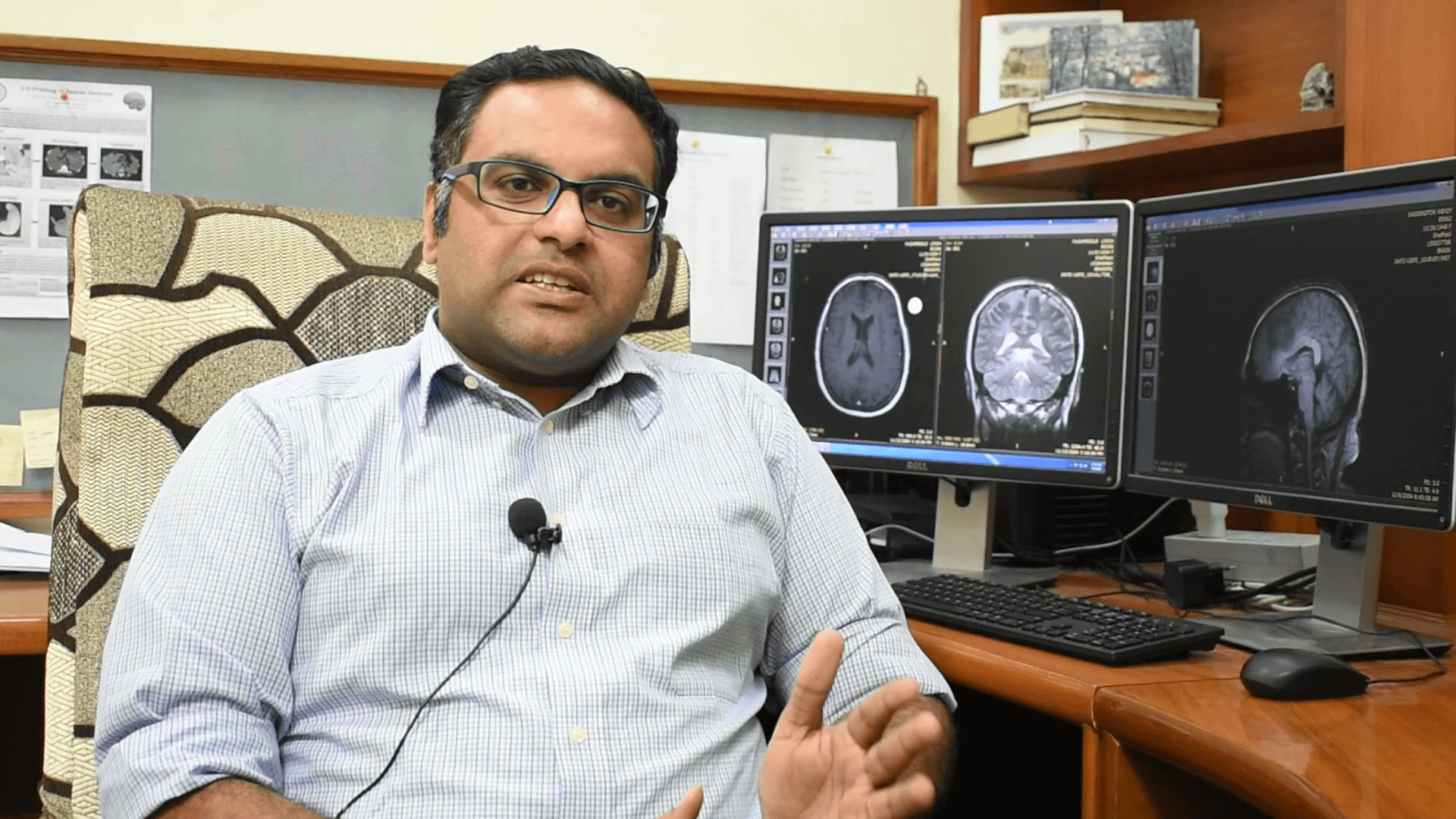
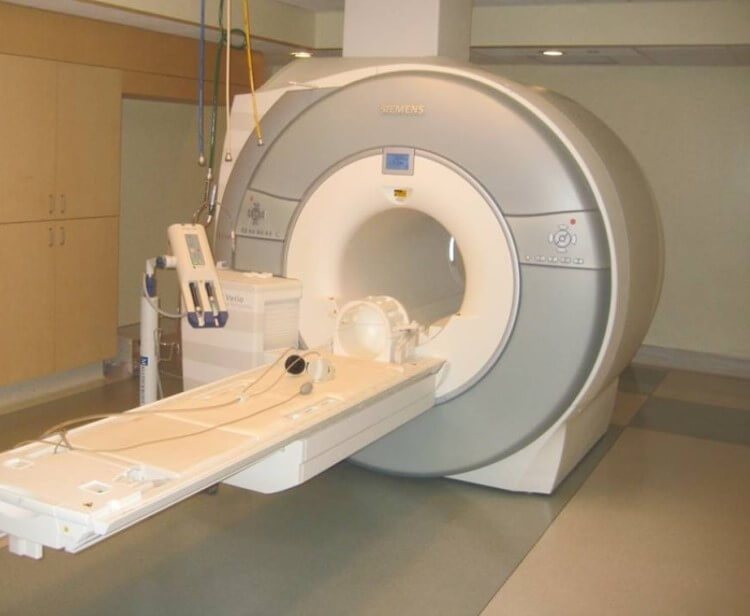
The Biomedical Engineering department took the lead and tried to address this problem by providing in-house built robotic technology for hand rehabilitation in the sub-acute & chronic stroke population. After going through several iterations, the prototype was formulated and the clinical trials began in the Department of Neurology, AIIMS. Furthermore, the neurophysiological parameters like Motor Evoked Potential (MEP), Electromyography (EMG) & neuro-imaging correlates like MRI T1W and fMRI were also incorporated for comprehensive study.
Outcomes
The results were astonishing, the prototype was optimized and it led the researchers to spread their wings and incorporate varied dimensions to the project to optimize functional recovery. The PCT and Indian patent was filed for Robotic exoskeleton in 2017. Also, the algorithm was copyrighted in the same year. The team was also awarded as the Indian Regional Winner and secured 4th Global position in Ericsson Innovation Awards 2018. Witnessing the promising role of the neuro-rehabilitative technology, the Multi-Institutional Faculty Interdisciplinary Research Project (MFIRP) grant (AIIMS-IIT Delhi) was provided to the team to further their vision in the year 2019.
What's the need?
The multidisciplinary team has identified various barriers to efficacious Stroke Rehabilitation:
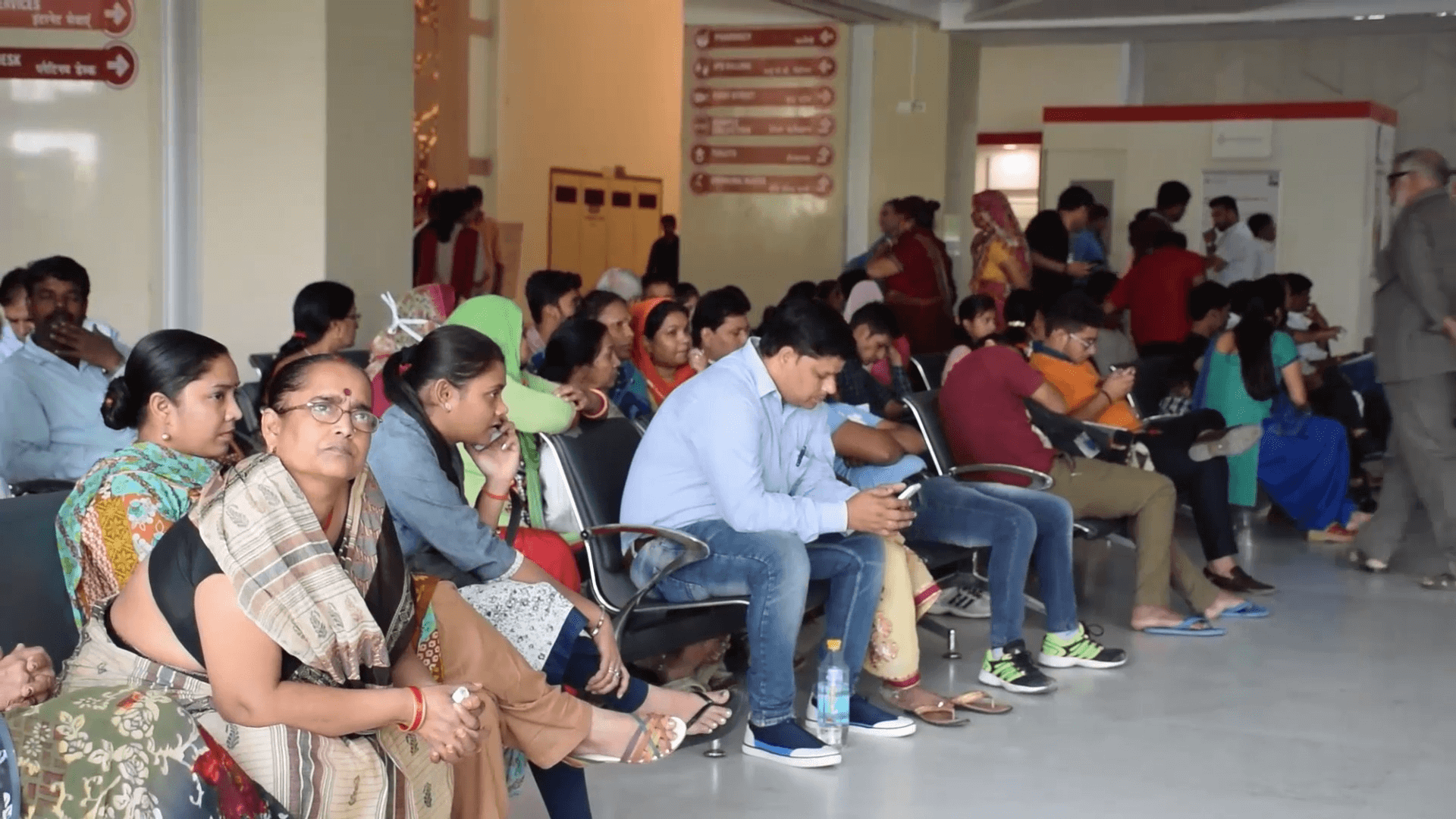
- Lack of sufficient rigorously designed stroke rehabilitation trials
- Lack of medical insurance
- Transportation difficulties
- Care-giver dependence
- High cost of rehabilitation devices, their availability & complexities
To meet a huge unmet rehabilitation needs of the society at large through capacity and capability development is the prime objective of this joint venture of IIT-AIIMS Delhi. Therefore, this Centre of Excellence is being created as to incorporate, test, and facilitate technology-aided rehabilitation for the required population for squeezing the time between disease onset and optimal recovery. In addition, the study will also explore the mechanism of recovery, if it is targeting the restoration of the damaged brain and or merely protecting/ treating the acute phase of the disease.
Promising Future
Another important element of the preamble of CoE is to nuture experts skilled in state of art technologies with application-oriented training. As, a multidisciplinary teamwork approach is essential for ensuring sustained and holistic clinical improvement in the patient population thereby, reducing long-term disability and socioeconomic burden.
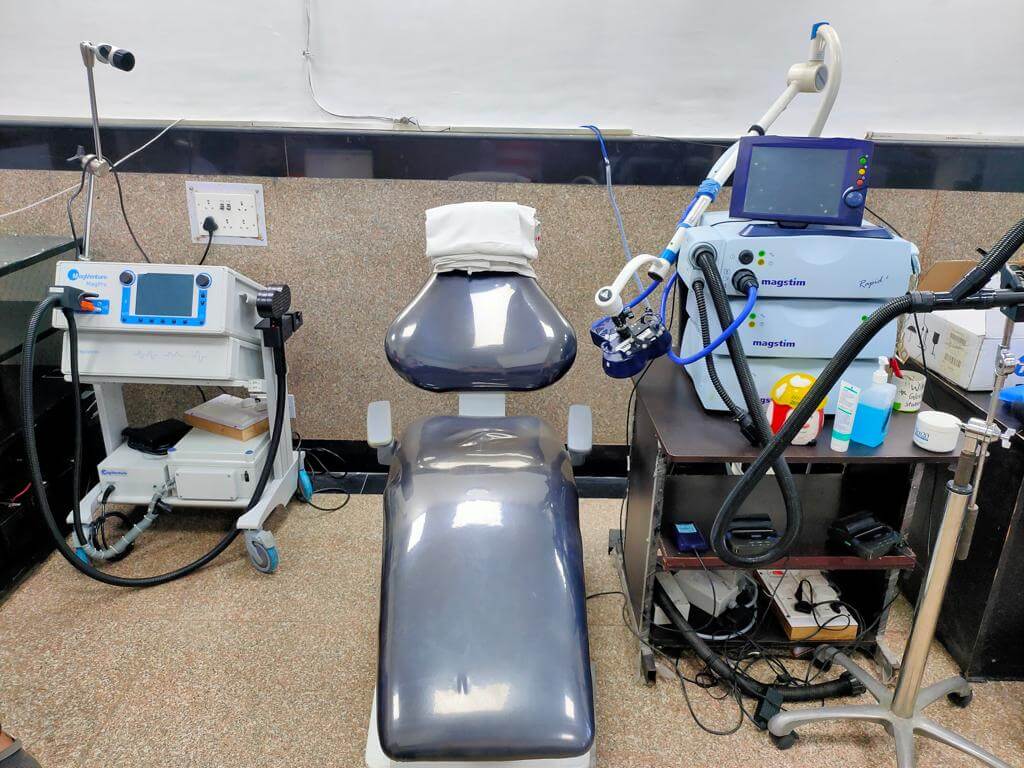
This CoE will foster dedicated best clinical, research, and academic practices in the arena of Neuro-assistive technologies like Robotic Exoskeleton, Augmented Reality-Virtual Reality (AR-VR), Hand Gloves, Non-Invasive Brain stimulation(NIBS), and Tele-rehabilitation.